
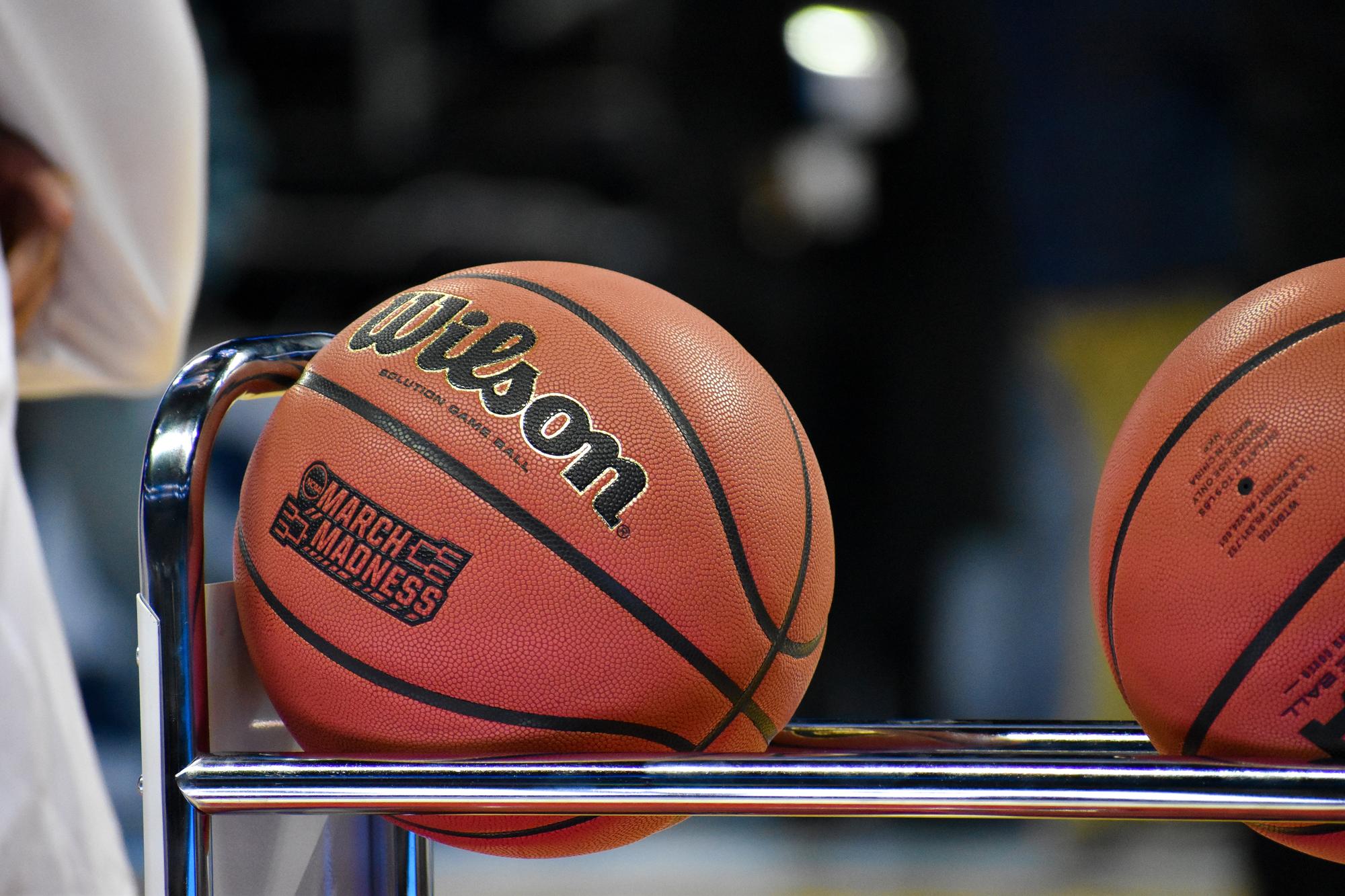
March Madness delivers a cultural surge each spring, pulling sports fans, casual viewers, and college alumni into one of the most electric atmospheres of the year. For consumers deciding how to watch and enjoy the tournament, today’s options extend far beyond traditional broadcasts. Tournament experts note that fans now balance convenience, social experience, legality, and personal preference when choosing how to consume the action. Whether watching from home, attending official watch parties, or exploring digital platforms, the tournament has become more accessible—and more personalized—than ever.
One of the most popular options remains officially hosted watch parties, often organized by universities, sports bars, or event venues. These gatherings typically feature large screens, themed décor, alumni sections, and food-and-drink specials that create a lively arena-style atmosphere. Cities hosting early-round and regional games usually amplify these events, drawing thousands of fans who want to experience the energy of March Madness without purchasing hard-to-find game tickets. Many local tourism boards and hospitality groups also promote these gatherings, making them a central part of tournament-week culture.
For fans prioritizing comfort or multitasking, home-viewing setups have become increasingly sophisticated. Smart TVs, multi-screen displays, streaming integrations, and social-media tie-ins allow viewers to track multiple games simultaneously. Many consumers complement the broadcast with second-screen experiences—real-time stats, advanced analytics, and interactive brackets. Sports networks continually expand their digital offerings to support this shift, recognizing that modern fans expect flexibility and depth while watching games.
Streaming platforms continue to rise as a dominant option during the tournament. Services offering live college basketball coverage attract millions of subscribers who prefer mobile access, on-the-go viewing, or cord-free households. The ability to watch from airports, workplaces, parks, and public transit keeps fans engaged throughout every round. Event experts highlight that this mobility plays a major role in bracket culture; fans can keep track of upsets and buzzer-beaters without missing key moments.
Another increasingly popular choice comes from private watch parties, hosted by friends, coworkers, alumni groups, or fantasy-league circles. These gatherings often merge food, entertainment, friendly gambling pools (where legal), and social bonding. Themed menus—wing platters, sliders, regional favorites—have become part of the tradition. Many consumers build March Madness celebrations around their brackets, with winners receiving prizes and bragging rights. The social aspect remains a cornerstone of tournament culture, regardless of viewing preference.
College towns and host cities also provide fan zones, often placed near arenas or central public spaces. These outdoor or semi-indoor hubs may offer music, games, pop-up merchandise booths, photo experiences, and live broadcasts of tournament matchups. Fan zones can be a family-friendly option, catering to casual viewers and visitors who want to feel the excitement without entering the arena.
Finally, a growing trend includes interactive online communities, where fans gather on social platforms and livestream threads to discuss games, highlight standout performances, and trade picks. For many, the community element has become just as important as the games themselves.
With so many ways to watch and consume March Madness, fans can craft a personalized tournament experience that fits almost any lifestyle, environment, or social setting.
Read More: Cannabis Brackets Bring New Energy to March